
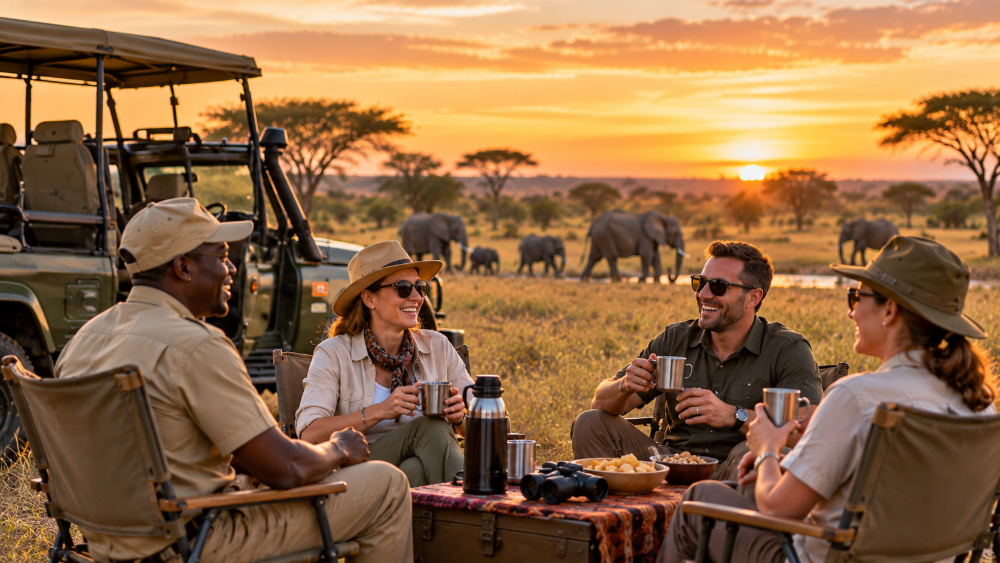
A wildlife documentary Kenya audiences will actually sit through starts with something simple: a real story, filmed patiently, by people who understand both the animals and the craft of filmmaking. Kenya has no shortage of subjects, from elephant herds crossing open plains to the quiet work of rangers and conservancies protecting them. What is often missing is someone to document it well.
Why Wildlife Stories Deserve Proper Film
A short clip on a phone can show that an animal was there. A documentary shows why it matters. It builds a sequence, gives viewers context, and holds attention long enough for the message to land. For a conservancy, that might mean donor support. For a lodge, it could mean guests who arrive already excited. For a family, it means a keepsake that feels like a film and not a camera roll.
Who Commissions a Wildlife Film
Different clients want different things from the same landscape, so it helps to be clear about the goal before the first day of filming.
Conservancies and lodges. A film about the land, the wildlife, and the people looking after it gives visitors and supporters a reason to care. It can also work as the centerpiece of a website, a booking page, or a fundraising campaign.
Conservation organizations and NGOs. Programs are easier to fund when donors can see the results. Our NGO documentary production work follows the same approach: real people, real places, and a story with a clear purpose.
Tour operators and travel brands. A well-made film shows what a trip actually feels like in a way photographs and itineraries cannot, and it can be cut into shorter clips for social media.
Private travelers. Some guests want more than snapshots. A documentary-style film of a safari or honeymoon, with sound, narration, and a proper edit, turns a trip into a story they can rewatch.
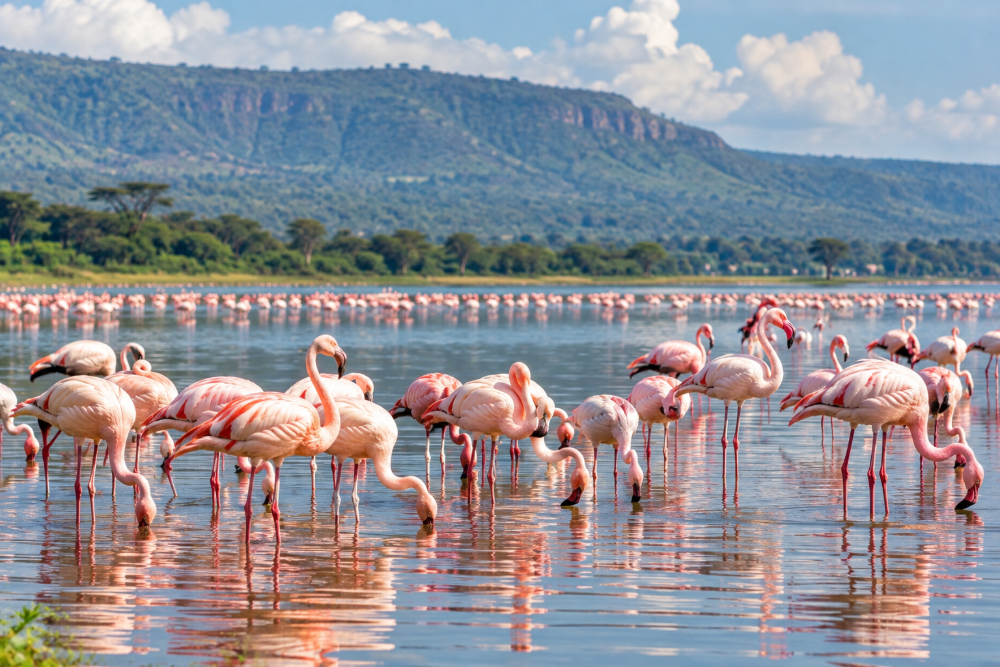
Wildlife Documentary Kenya; How a Wildlife Documentary Is Made
The process is slower than most people expect, and that patience is what separates a documentary from a highlight reel.
- Planning. We agree on the story, the locations, the season, and the people involved before anyone picks up a camera.
- Field time. Wildlife does not follow a schedule, so filming days are built around waiting for the right light and the right behavior.
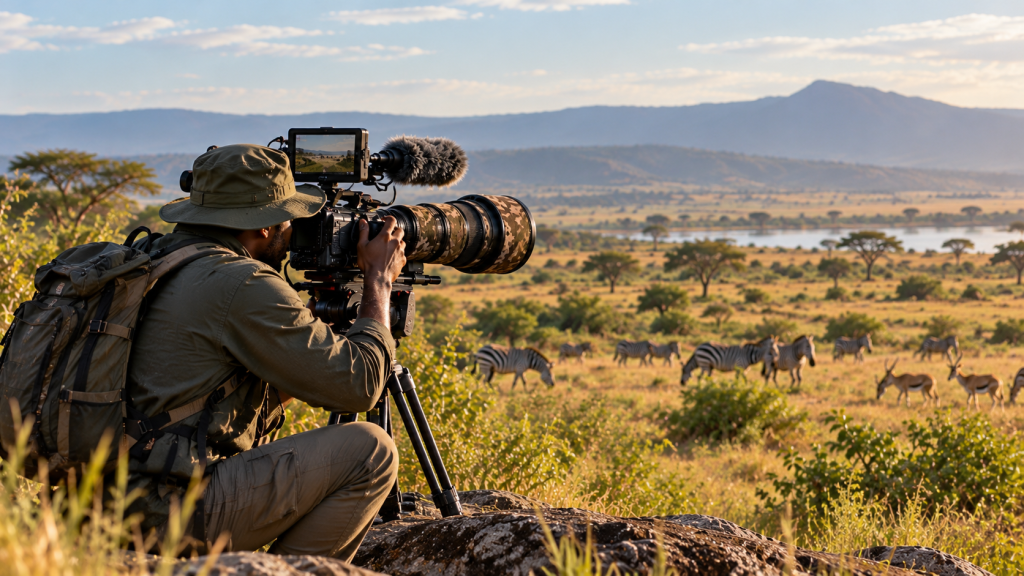
- Filming. Long lenses, stable support, and careful audio capture the animals without disturbing them.
- Editing and sound. Footage is selected, structured into a story, color graded, and mixed with natural sound and music.
- Delivery. You receive the final film along with shorter versions for social media if you need them.
Filming Responsibly
Good wildlife filmmaking puts the animals first. That means keeping a respectful distance, following your guide’s instructions, and never staging or baiting a shot. Commercial filming in parks and conservancies usually needs permission as well, and requirements differ by location, so confirm them early with the Kenya Wildlife Service or the conservancy involved. A team that raises permits before you do is a good sign.
What to Ask a Wildlife Documentary Team
- Can I see a full film or reel, not just a trailer?
- What cameras and lenses will you bring, and what is your backup plan?
- How many filming days do you recommend for this story?
- Who handles permissions and coordination with the conservancy?
- What will the final deliverables be, and in what formats?
Clear, specific answers tell you more than a confident sales pitch does.
Building the Story Around Real Conservation Work
The strongest wildlife films connect the animals to the people protecting them. Organizations such as WWF Kenya show how much of this work happens beyond the camera’s reach, and a good film makes that work visible to people who would otherwise never see it.
Start With a Conversation
If you have a conservancy, lodge, project, or trip worth documenting, the best first step is to talk through the story you want to tell. Browse the Dumiadros Production portfolio to see our style, or look at our wider videography services if you need coverage that goes beyond wildlife.
Frequently Asked Questions
How long does a wildlife documentary take to produce?
It depends on the story and the length of the film. A short promotional piece might take a few days in the field and a few weeks of editing, while a longer documentary can run for months. We agree a realistic timeline before filming begins.
Can you film in parks and conservancies?
Yes, with the right permissions. Requirements vary by location, so we confirm them with the relevant authority before any filming day.
Do you offer shorter versions for social media?
Yes. We can cut the main film into shorter clips for Instagram, TikTok, and YouTube so one project works across several platforms.
How much does a wildlife documentary cost?
Cost depends on the number of filming days, the locations, the length of the final film, and the editing required. We give custom quotes so you only pay for what the project needs. Contact us with your idea and we’ll talk through the details.